Leader of sustainable development — an Icelandic perspective
How did a nation of 390,000 become a sustainability pioneer? A look at the Icelandic model — renewable energy, a carbon-neutral goal and a circular economy — and the lessons other small communities can borrow.
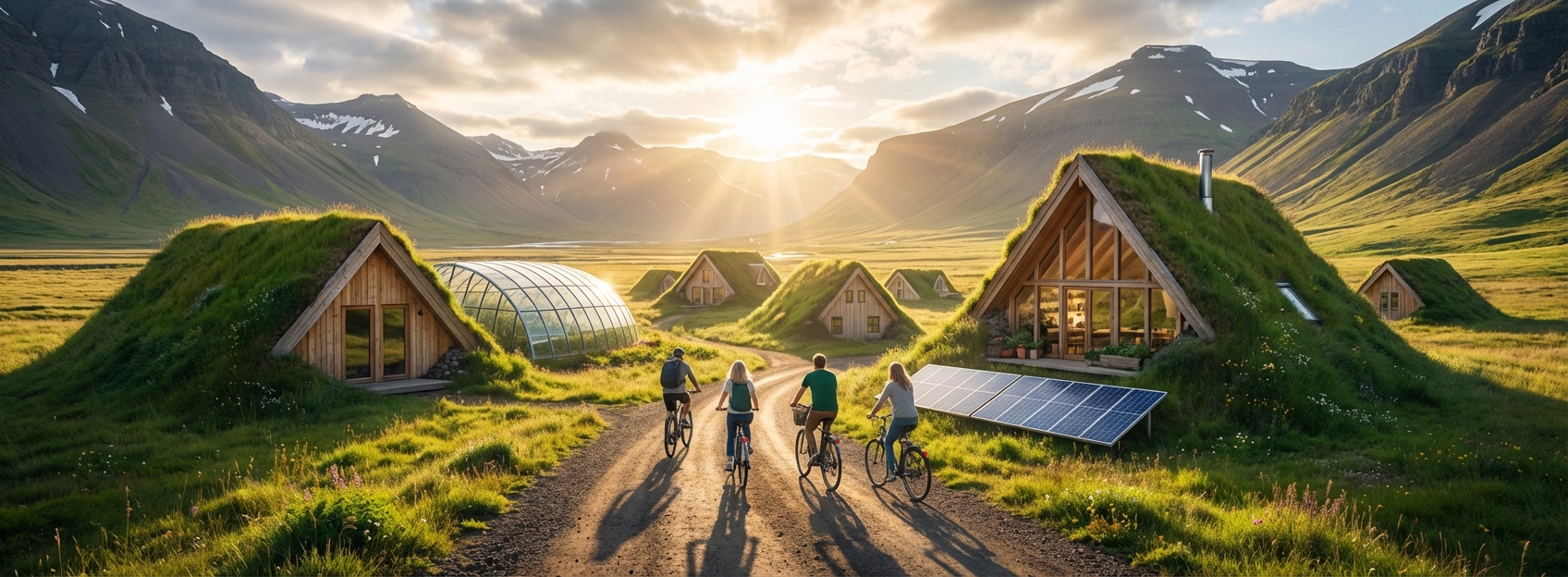
The Icelandic word for sustainability, sjálfbærni, closely mirrors the word for independence, sjálfstæði — self-sufficiency and resilience, side by side. That idea runs through everything below.
Iceland has emerged as a global leader in sustainable development through pioneering renewable energy and environmental policy. The story has two complementary sides: local governments that create the policy frameworks and infrastructure, and small enterprises that drive practical, on-the-ground innovation — a model other small nations and communities can learn from.
Iceland by the numbers
- 100% of electricity from renewables (≈73% hydropower, 27% geothermal); around 85% of total primary energy renewable
- A national goal of carbon neutrality by 2040 — a decade ahead of many nations
- 72 municipalities piloting local climate action — from Reykjavík to Akureyri, Vestmannaeyjar and Höfn
- Reykjavík’s cycling network: 45+ km of paths and ~12,000 tonnes of CO₂ avoided each year
- Pioneering carbon capture (CarbFix) and geothermal innovation in food, wellness and industry
Why it matters for small communities
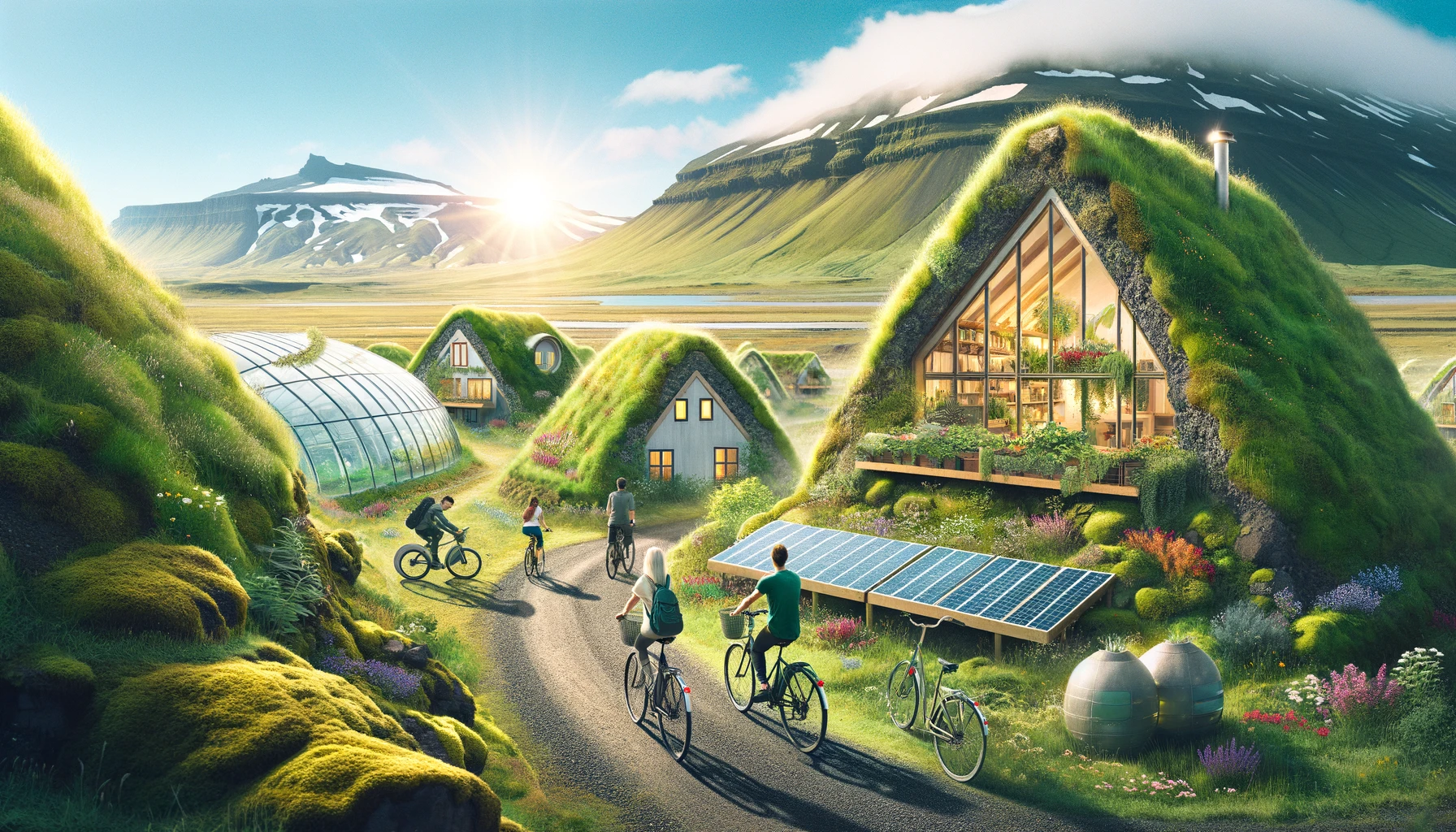
None of this came from being large. It came from building sustainability around the resources a place already has, and from local institutions small enough to act quickly. That is a far more transferable lesson than any single technology — and it is the thinking behind much of Circa’s own work.